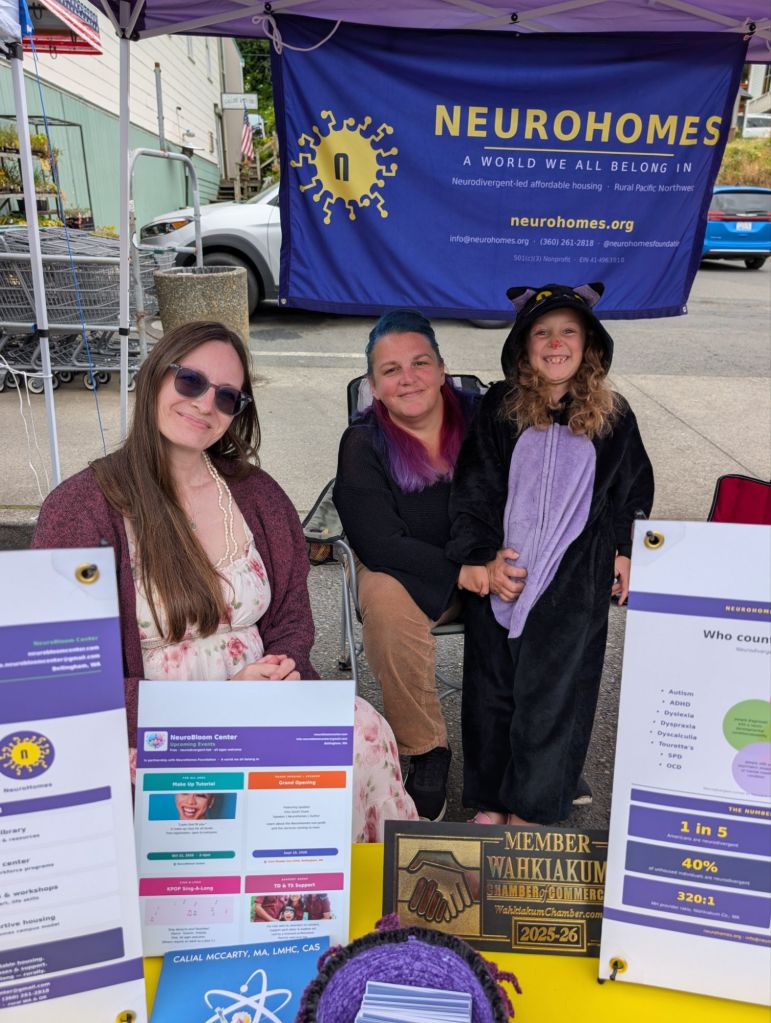
The NeuroHomes Plan

This is an operational business plan for a hybrid nonprofit and social purpose corporation in active pre-development. Updated July 2026.

The NeuroHomes Plan


Organizational Structure


NeuroHomes operates as two coordinated Washington entities:


NeuroHomes Foundation (501(c)(3) public charity, EIN 41-4963918) receives government housing grants and foundation grants, holds the NeuroHomes brand, and governs the organization through an all-neurodivergent Board of Directors.


NeuroHomes Communities, Inc. (Washington Social Purpose Corporation, EIN 41-5022619) develops and operates the housing, employs staff, and holds construction and permanent debt.
Charitable assets are fully insulated from commercial debt. Capital passes between the two entities only through formal, arm’s length grant and loan agreements under the Intercompany Services Agreement.


Governance


NeuroHomes is women owned, women led, and neurodivergent and autistic at every level of governance. The Board is entirely neurodivergent, supporting Washington Commerce’s By and For Organization designation.


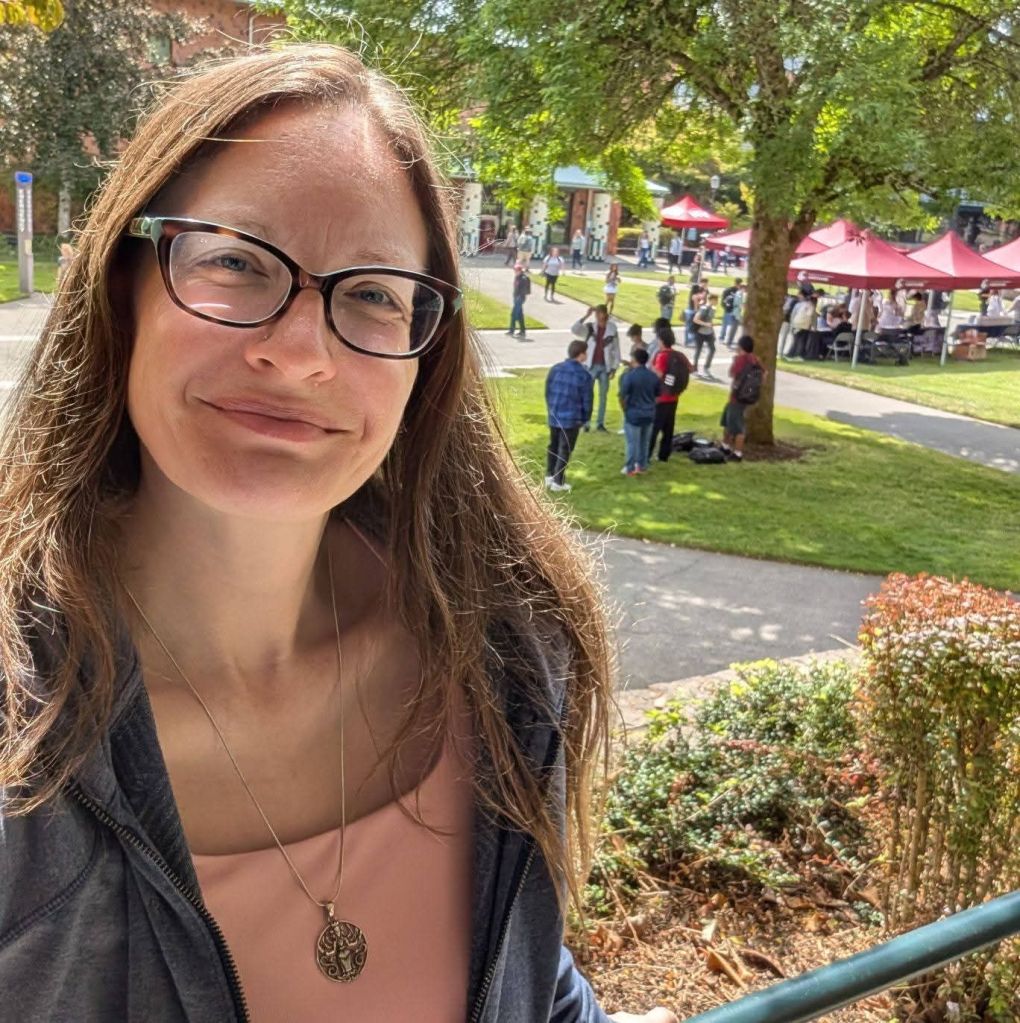
Isha Snow — Founder, Executive Director, and Secretary (ex officio, non-voting board seat; authorized banking signer)

Isha: I am a neurodivergent (AuADHD) student, researcher, and founder pursuing my degree in Sociology at Washington State University Vancouver, where I’m also an affiliate researcher with the Collective for Social and Environmental Justice. I’ve been able to excel academically with support, and my recent accomplishments include developing a theoretical framework, Autistic Standpoint Theory, as well as a podcast and talkshow based on the concept. With my degree, I want to help ensure that people’s basic human needs like housing, community, and dignity are being met. I am so excited to be a part of NeuroHomes, where I serve my community building permanent supportive housing for neurodivergent adults.
Calial

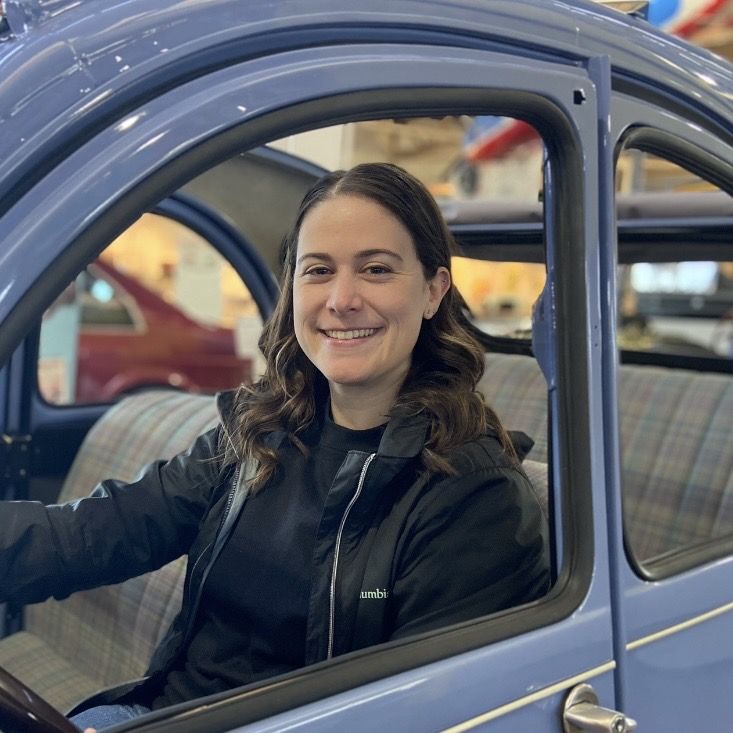
Calial McCarty, MA, LMHC, CAS — Director (voting); Clinical Operations Coordinator (recuses on all NeuroBloom-related board decisions; the Clinical Operations Coordinator role is separate from her board seat, carries no employment status and no NeuroHomes budget authority)
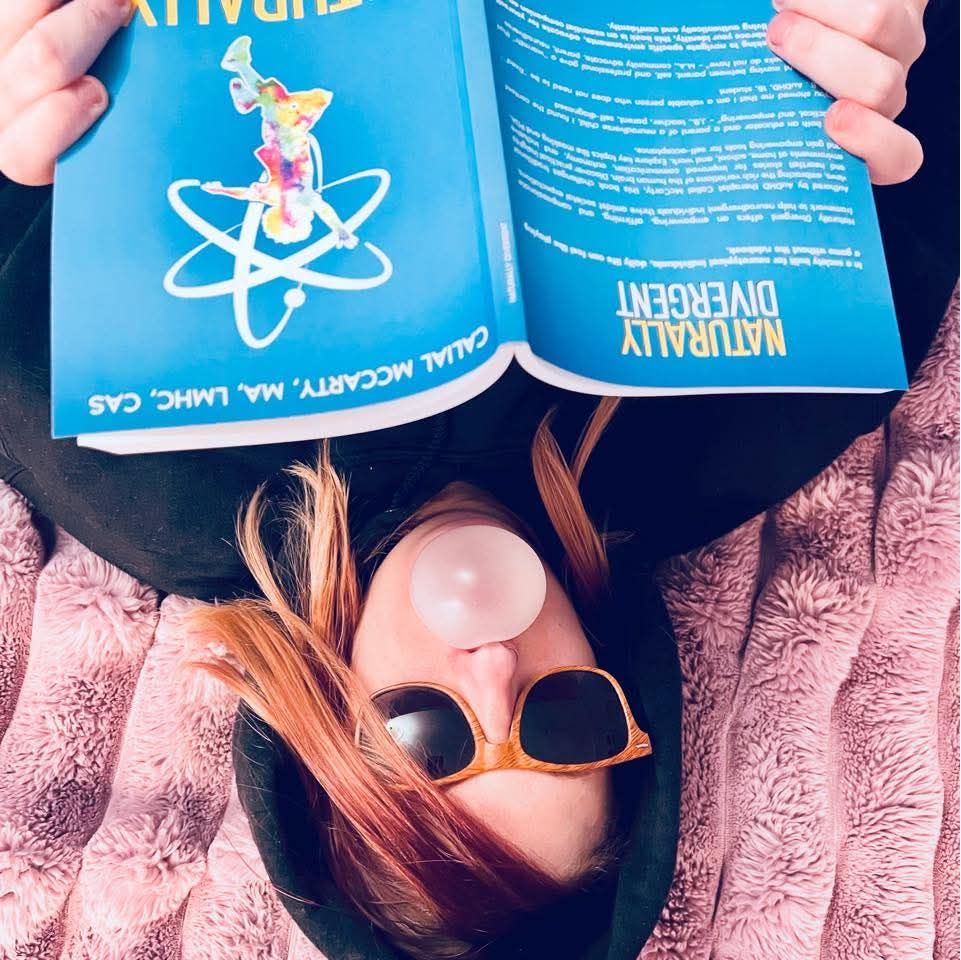
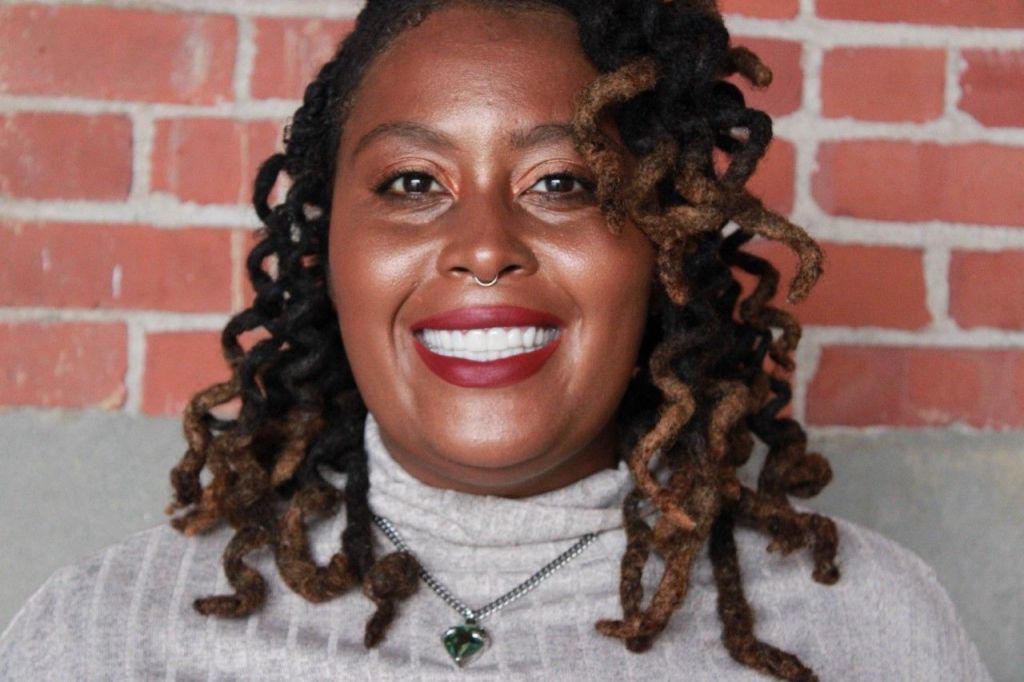
Dani Stephens — Director; Board Vice-President, serving as interim President

Dani: I am a neurodivergent student and parent pursing my bachelor’s in Social Science and a certificate in social and environmental justice at wsu. With accommodations and support I have been able to excel in school. With my degree I want to help people ensuring their basic human needs are being met. That is why I am so excited to be apart of Neurohomes.


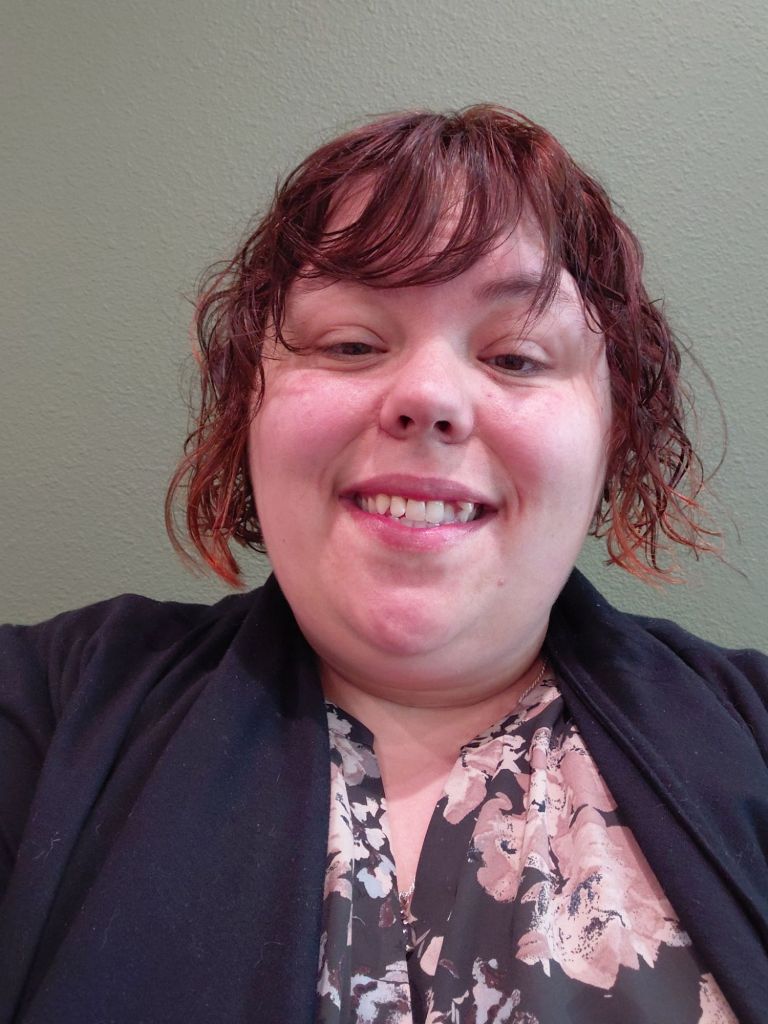
Abby Doolin — Board Member; Treasurer


Board meetings are held quarterly. The Executive Director serves ex officio without a vote, keeping management and board oversight distinct.

The Board of Directors of NeuroHomes Foundation, Inc. is entirely Neurodivergent. The LLC’s Advisory Council mirrors this structure. Resident Councils at each site hold binding authority, not advisory status, over community rules, shared space, agricultural priorities, and staffing recommendations.


The Model


NeuroHomes is the first permanent supportive housing community in Washington State designed and governed by and for neurodivergent adults.


Community, not compliance. No behavioral requirements for tenancy. Residents are not asked to adapt to a system built without them.


Services built in, not bolted on. Each campus is paired from the start with an on-site neuro-affirming services hub, delivered on site by NeuroBloom Center under a formal partnership: counseling, speech and communication support, adaptive fitness and a sensory gym, holistic wellness care, and a community cafe. NeuroBloom founder Calial McCarty coordinates clinical operations on the campus alongside her seat on the NeuroHomes board.


Neurodivergent-led governance. Board, leadership, and programs are neurodivergent-led at every level.


Flat, accessible rent. $300 per month per unit, about 30 percent of Supplemental Security Income, regardless of unit type. Operating gaps are closed by a layered per-unit subsidy stack: Washington Medicaid and HCS rental assistance, USDA Rural Development Rental Assistance, and HUD Section 811 Project Rental Assistance as it becomes available.

Four organizing principles:

1. Social ecology over shelter. NeuroHomes provides a community, not a unit. The designed social environment, with shared agriculture, communal gatherings, and structured peer interaction, is the primary infrastructure for wellbeing.

2. Subsistence agriculture as the backbone. Agriculture serves multiple simultaneous functions: meaningful daily activity, reduced food costs, shared community purpose, and modest commercial income. It is the social and economic spine of each site.

3. Neurodivergent-led governance. NeuroHomes is governed at every level by Neurodivergent people: Board, Advisory Council, Resident Council, and hiring preference for all staff positions.

4. Flat, accessible rent. $300/month regardless of unit type or income (within 60% AMI eligibility). No ongoing income verification. Compatible with SSI/SSDI. A justice position and a practical one.


The Need


Wahkiakum County has a 320-to-1 mental health provider ratio and no diagnostic infrastructure for adult autism. There is zero neurodivergent-specific supportive housing in the region. Up to 85 percent of autistic adults are unemployed or underemployed nationally, and autism prevalence among homeless adults is estimated at 12 to 18 percent. Conventional affordable housing and emergency shelter are often actively harmful for autistic people, built around sensory profiles, timelines, and social norms that exclude them by design.


Site Strategy


Phase 1 (active): Wahkiakum County, Washington
A roughly 20-acre site on State Route 4 in Cathlamet, outside the 100- and 500-year floodplains. Phase 1 develops 15 park model homes in three clusters of five, a central community building, and a co-located NeuroBloom services building. Wahkiakum County’s population qualifies as Rural under Washington Commerce’s definition, placing HTF applications in a less competitive rural funding pool. The By-and-For designation targets a minimum of 10 percent of HTF funds each cycle, an additional advantage NeuroHomes is positioned to claim.


Phase 2 (future / on hold): Clatsop County, Oregon
The Columbia River connects Cathlamet, Washington to Astoria, Oregon by a 45-minute drive, and the two communities share a regional healthcare system and rural labor market. A second campus in Clatsop County remains part of NeuroHomes’ longer-term vision and would draw on Oregon LIFT Rental financing, but it is not an active capital pursuit at this time. Phase 2 planning resumes once Phase 1 is built and generating outcomes data to support a future Oregon application.


Capital Strategy


Phase 1 — Wahkiakum County, Washington
Total development cost: approximately $4.8 million.
Washington Housing Trust Fund IDD capital award — $1,500,000
CDFI construction and permanent debt — $1,800,000
WSHFC Land Acquisition Program financing — $700,000
USDA rural multifamily financing — $500,000
Kuni Foundation IDD grant — $300,000


Current stage: predevelopment. NeuroHomes received Washington Housing Trust Fund Technical Assistance and Preconstruction funding and is now advancing toward a full Phase 1 capital application (target: September 21, 2026), alongside continued philanthropic and impact capital outreach. Governance and partnership agreements, including the NeuroBloom Memorandum of Understanding, are in final signature. Site control is being secured under a letter of intent, and organizational onboarding with the Washington Department of Commerce is underway.

Rural projects under HTF compete only against other rural projects, not against King County or urban applicants. Wahkiakum County’s population (under 90,000) qualifies as Rural under Commerce’s definition, placing NeuroHomes in the least competitive geographic pool while serving one of the state’s most demonstrably underserved communities. The By-and-For designation, available to organizations governed by and serving people with disabilities, including Neurodivergent individuals, targets a minimum 10% of HTF funds each cycle, an additional competitive advantage that NeuroHomes is positioned to claim.


Phase 2 — Clatsop County, Oregon (future)
Not an active funding pursuit. Indicative sources under longer-term consideration include Oregon LIFT Rental, USDA Rural Development, and Oregon-based foundation support, to be revisited after Phase 1 is operating.


Full Business Plan


The complete NeuroHomes business plan is available on request, including full financial projections, the capital stack, and governance documentation.


Request the Business Plan


NeuroHomes Foundation is our nonprofit, focused on grants, advocacy, and housing development for neurodivergent adults in rural Washington. Flat $300/month rent. Neurodivergent-led governance at every level.
NeuroHomes Communities, Inc. is our Social Purpose Corporation, developing and operating our housing sites in partnership with NeuroBloom Center.


Isha Snow, Founder and Executive Director
info@neurohomes.org | neurohomes.org | (360) 261-2818
PO Box 471, Cathlamet, WA 98612


20-Year Trajectory

20-Year Trajectory

YearSitesUnitsAnnual RevenueEarned Revenue %
1 (2027)00$250K0%
5 (2031)123$427K38%
10 (2036)268$1.01M68%
15 (2041)3 (PNW)135$2.1M79%
20 (2046)13 (national)~650~$7.5M75%+

Revenue diversification across: tenant rent, subsistence agriculture, NeuroHoney product line, community education services, life skills app subscriptions, My Money app subscriptions, Medicaid peer support contracts, and project-based Section 8 contracts.


Full Business Plan

The complete NeuroHomes Business Plan is available on request. It includes full financial projections, occupancy stress testing, risk assessment, and theory-of-change documentation.


NeuroHomes Foundation is our nonprofit, focused on grants, advocacy, and housing development for Neurodivergent adults in rural Washington and Oregon. Flat $300/month rent. Neurodivergent-led governance at every level.

NeuroHomes Communities, Inc. is our Social Purpose Corporation, operating our housing sites, subsistence agriculture, the NeuroHoney product line, and our financial coaching app, My Money.